Kuwait Travel Tips: 7 Mistakes To Avoid
<a href="https://v0-kuwait-country-guide.vercel.app/blog/kuwait-desert-adventures">Kuwait</a> is a small, wealthy Gulf state that most travelers pass through on business or as a stopover, but it rewar...
Kuwait is a small, wealthy Gulf state that most travelers pass through on business or as a stopover, but it rewards those who take the time to plan. These Kuwait travel tips focus on the practical details that save time, money, and confusion—covering everything from visas and etiquette to transport and money so you can navigate the country with confidence.
Key Takeaways

- Kuwait is not a typical tourist destination; it rewards travelers who plan around the extreme summer heat and the country’s unique weekend (Friday–Saturday).
- Public transport is limited, so renting a car or using ride-hailing apps is the most practical way to get around.
- Dress codes are more relaxed than in some Gulf states, but conservative dress is still expected in public spaces and religious sites.
- Cash is still king in many local shops and souks, though cards are widely accepted in malls and hotels.
- Alcohol is strictly prohibited; travelers must respect local laws and customs regarding drinking and public behavior.
Kuwait Travel Tips: The Complete Answer for Every Traveler
A practical urban scene showing how to get around Kuwait using ride-hailing apps, with the iconic skyline as a backdrop.
This section is the definitive summary of the most critical Kuwait travel tips—the facts about visas, weather, safety, and logistics that you need before you book. If you only read one part of this guide, make it this one.
The One-Paragraph Overview
Kuwait is a safe and orderly country with a small but fascinating cultural core, but it demands preparation. The best time to visit Kuwait is between November and March, when temperatures are mild; outside that window, you’ll be planning your days around extreme heat. Most nationalities can obtain a visa on arrival or an e-visa, but you must verify your specific status before flying. The biggest logistical challenges are the limited public transport and the fact that Friday and Saturday are the weekend, which shifts business hours and service availability. Respect the conservative dress code, carry cash for souks and small shops, and remember that alcohol is illegal.
A cultural marketplace scene that highlights local etiquette, dress codes, and the importance of cash in traditional shops.
The Practical Essentials Checklist
Before you book your flight, run through this list of must-know items:
- Passport validity — confirm you have at least six months of validity from your date of entry.
- Visa requirements — check whether you qualify for a visa on arrival or need an e-visa.
- Vaccinations — no specific vaccinations are required for entry, but routine vaccinations are recommended.
- Currency — the Kuwaiti Dinar (KWD) is the local currency; exchange some cash at the airport or in the city.
- SIM card — buy a local SIM at the airport or in the city for reliable data.
- Emergency numbers — keep the local emergency number handy (112).
Who This Guide Is For (and Who It Isn’t)
This guide is written for business travelers, transit passengers, and independent explorers who want to make the most of a short stay in Kuwait. It’s for people who are comfortable with a bit of planning and who want to experience the country’s genuine culture, not just its hotel lobbies.
It is not for luxury resort vacationers or those expecting a traditional beach holiday. Kuwait is not a beach destination, and its tourism infrastructure is geared more toward business travel than leisure. If you’re looking for a resort-style getaway with water parks and all-inclusive packages, this is not the right guide.
Understanding Kuwait’s Unique Rhythm: Weather, Weekend, and Culture
The most common mistake travelers make is treating Kuwait like a typical Gulf stopover. The country has its own rhythm, and understanding it will make your trip far more comfortable.
Navigating the Extreme Summer (May–September)
From May to September, temperatures in Kuwait frequently exceed 45°C. This isn’t just warm—it’s the kind of heat that makes outdoor sightseeing genuinely unpleasant and even risky if you don’t take precautions.
The practical approach is to treat indoor malls as your social hubs. Kuwait has several large, modern malls that are air-conditioned, clean, and full of restaurants and cafés. Many locals spend their summer evenings there, and you can easily pass several hours browsing, eating, and people-watching.
When you do venture outside, limit it to early morning or after sunset. Carry water with you at all times, and never leave anyone—or pets—in a parked car. The heat is relentless, and dehydration can set in quickly if you’re not used to it.
Quick Answer: The best time to visit Kuwait is from November to March, when temperatures are mild. From May to September, it’s often over 45°C, so plan outdoor activities for early morning or evening.
The Kuwaiti Weekend: Why Friday–Saturday Changes Everything
Kuwait’s weekend is Friday and Saturday, not Saturday and Sunday. This shift affects everything from business hours to traffic patterns, and it catches many travelers off guard.
Government offices are typically open Sunday through Thursday, with shortened hours on Thursday. They are closed on Friday and Saturday. Malls and restaurants usually open daily, but on Friday they often don’t open until after the midday prayers—typically around 13:00 or 14:00. Souks tend to be busiest in the evening, especially on Thursday nights when locals are preparing for the weekend.
This table gives you a quick reference for typical opening hours:
| Day | Government Offices | Malls & Restaurants | Souks |
|---|---|---|---|
| Sunday–Wednesday | Open (8:00–14:00) | Open (10:00–22:00) | Open (afternoon–evening) |
| Thursday | Open (shortened) | Open (until late) | Open (busy evening) |
| Friday | Closed | Open (after 13:00–14:00) | Open (evening) |
| Saturday | Closed | Open (10:00–22:00) | Open (daytime) |
Note: Hours vary by establishment.
Traffic patterns also shift. Thursday evening is the busiest time on the roads, as people head out for the weekend. Friday afternoons are quieter, especially during prayer times. If you need to get somewhere quickly, plan around these peaks.
Cultural Norms and Dress Code: What’s Expected vs. What’s Tolerated
Kuwait is more relaxed than some of its Gulf neighbors, but that doesn’t mean anything goes. The dress code is a matter of context: what’s fine in a mall or an international hotel might not be appropriate in a mosque or a conservative neighborhood.
In public spaces, modest dress is expected. For men, that means no shorts that are too short and no sleeveless shirts in conservative areas. For women, it means covering shoulders and knees in most public settings. You’ll see many local women wearing the abaya, but it’s not required for visitors. However, wearing loose, modest clothing will help you avoid unwanted attention and shows respect for local customs.
In mosques, the rules are stricter. If you want to visit the Grand Mosque, you’ll need to follow a specific set of steps:
- Dress conservatively—long sleeves and long pants or a long skirt are required.
- Women must cover their hair with a scarf; the mosque may provide one if you don’t have it.
- Remove your shoes before entering the prayer area.
- Keep your voice low and avoid taking photos of people praying.
- Visit outside of prayer times, especially on Fridays when the mosque is busy.
Definition: The abaya is a loose-fitting, full-length robe worn by many women in the Gulf. It is a sign of modesty and is not required for visitors, but wearing one can be a way to show respect in conservative settings.
Getting Around Kuwait: A Practical Comparison of Transport Options
The biggest logistical challenge in Kuwait is getting around. The country is car-centric, and its public transport is limited. Your choice of transport will depend on how long you’re staying and how much flexibility you need.
Renting a Car vs. Relying on Ride-Hailing
Renting a car is the most flexible option, especially if you’re staying for more than a few days. The roads are generally good, and parking is widely available at malls and hotels. You’ll need a valid driver’s license and an international driving permit. Rental prices are reasonable, and you can book in advance or at the airport.
Ride-hailing apps like Careem and Uber are the best alternative if you don’t want to drive. They’re reliable, widely used, and you can pay by card in the app, which avoids the hassle of cash. The cost is higher than renting, but for a short stay, it’s the most convenient option. Traditional taxis are also available, but they may not accept cards, so carry cash if you use them.
| Option | Best For | Pros | Cons |
|---|---|---|---|
| Rental car | Longer stays, day trips | Full flexibility, cost-effective for groups | Need a valid license and IDP, parking can be tricky in busy areas |
| Ride-hailing apps | Short stays, airport transfers | Easy, card payment, no need to navigate | More expensive, can be hard to find during peak times |
| Traditional taxis | Short trips, no app | Always available in some areas | Cash only, language barrier possible |
Public Transport: The Realistic Options
Kuwait has a public bus system operated by the Kuwait Public Transport Company (KPTC), but it’s rarely used by tourists. The buses cover the main routes, but they’re slow, infrequent, and not well-connected to tourist sites. There is no metro system, and the country has no rail network connecting its cities.
If you’re on a tight budget, buses are an option, but they’re not practical for sightseeing. For most travelers, the time saved by using a car or ride-hailing is worth the extra cost.
Quick Answer: Public transport in Kuwait is limited to a slow and sparse bus network; there is no metro. For most travelers, ride-hailing apps like Careem and Uber are the most practical option.
A Step-by-Step Guide to Arriving at Kuwait International Airport
The arrival process at Kuwait International Airport is straightforward, but a little preparation helps. Here’s what to expect:
- Landing and immigration — have your passport and visa (if required) ready. The immigration process is efficient, and most travelers clear it in under 30 minutes.
- Baggage claim — follow the signs to the baggage carousels. The airport is compact, so it’s easy to navigate.
- Currency exchange — exchange some money at the airport to have cash for taxis and small purchases. The rates are slightly less favorable than in the city, but it’s convenient.
- SIM card — buy a local SIM card at one of the kiosks in the arrivals hall. This is the easiest way to get data for maps and ride-hailing apps.
- Getting to the city center — the airport is about 15–20 minutes from the city center by car. Use a ride-hailing app or a traditional taxi. Rental car desks are also available if you’ve booked in advance.
Money, Communication, and Practical Logistics
The everyday hurdles in Kuwait are often about money and connectivity. Getting these right will make your trip much smoother.
Cash vs. Card: Where and When to Use Each
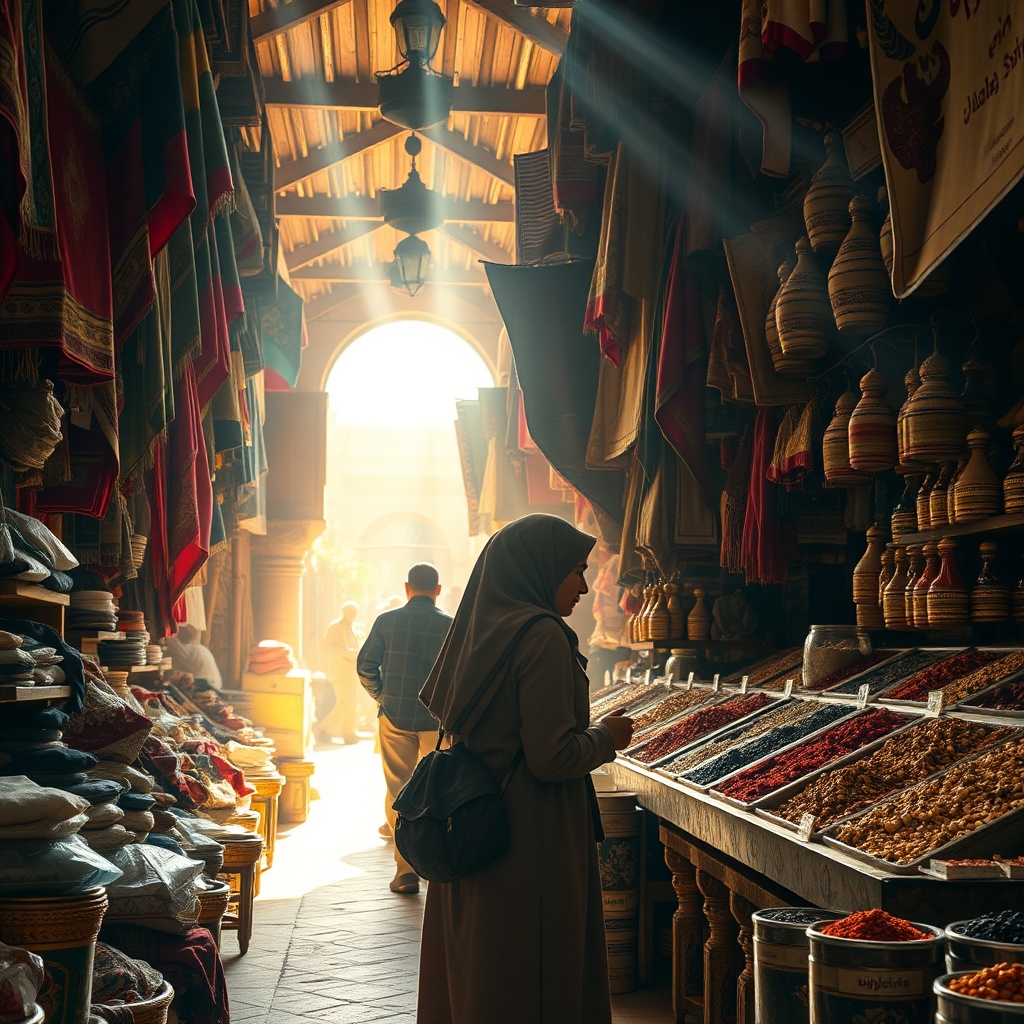
Kuwait is a cash-heavy society in many ways, but cards are widely accepted in modern establishments. The key is knowing where each is appropriate.
In traditional souks like Souk Al-Mubarakiya, cash is king. You’ll need it for bargaining and for small purchases. Many small local cafés and restaurants also prefer cash, and some may not accept cards at all. In malls, hotels, and large restaurants, cards are accepted everywhere, including international credit and debit cards.
| Scenario | Recommended Payment Method | Notes |
|---|---|---|
| Souk Al-Mubarakiya | Cash | Bargaining is common |
| Mall food courts | Card | Widely accepted |
| Taxi/ride-hailing | Card (in-app) | Avoid cash for exact change |
| Small local cafés | Cash | Some may not accept cards |
Staying Connected: SIM Cards and Wi-Fi
Staying connected is easy in Kuwait. You can buy a local SIM card at the airport or in the city, and most malls and hotels offer free Wi-Fi. Local SIM cards are affordable and give you reliable data for maps, ride-hailing, and communication. Starter packs from Zain, Ooredoo, and stc are available at the airport arrivals hall and typically cost between 5 and 10 KWD, including generous data allowances. If you’re staying in a hotel, check whether they offer a free SIM or a discount code for tourists.
Handling Paperwork: Visas, Registrations, and Important Documents
The visa process for Kuwait depends on your nationality. Many countries are eligible for a visa on arrival, while others need an e-visa or a visa arranged in advance. You must check the current requirements with the Kuwaiti embassy or the official government website before you travel.
Keep a copy of your passport with you at all times, and store a digital copy in your phone or cloud storage. The original passport is required for hotel check-in and some other transactions, but you don’t need to carry it everywhere. If you’re staying for an extended period, you may need to register your residence, but this typically applies to longer stays and is handled by your employer or sponsor.
Quick Answer: Visa requirements for Kuwait vary by nationality. Many countries are eligible for a visa on arrival, but you should verify your status with the Kuwaiti embassy or the official government website before booking.
Beyond the Business Trip: What to See and Do in Kuwait
Kuwait has more to offer than business meetings and hotel lobbies. Its cultural and historical depth is worth exploring, even if you only have a day or two.
The Must-Visit Landmarks for a First-Timer
The Kuwait Towers are the country’s most iconic landmark. The trio of towers rises above the Gulf, and the main tower has a viewing deck and a rotating restaurant. It’s best visited in the late afternoon when the light is golden and you can see the city from above.
The Grand Mosque is the largest mosque in Kuwait and is open to non-Muslim visitors outside of prayer times. Its architecture is stunning, with intricate Islamic design and a large central dome. A guided tour can provide valuable context about Kuwaiti culture and history.
The National Museum offers a comprehensive overview of Kuwait’s history, from ancient times to the modern era. It’s a good place to understand the country’s heritage, especially if you’re short on time and want a curated experience.
If you have extra time, the Liberation Tower is another striking landmark, and Souk Al-Mubarakiya is a must-visit for its traditional atmosphere, spices, and local crafts.
A Step-by-Step One-Day Itinerary
Here’s a practical one-day itinerary that respects the heat and cultural norms, starting in the morning and ending with a relaxed evening:
- Morning (9:00–11:00) — Visit the Kuwait Towers for panoramic views of the city and the Gulf.
- Late morning (11:00–12:30) — Head to Souk Al-Mubarakiya for a traditional experience. Grab a coffee and explore the spice and gold markets.
- Lunch (12:30–14:00) — Eat at a local restaurant in the souk area or at a nearby mall to escape the midday heat.
- Afternoon (14:00–16:00) — Visit the Grand Mosque for a guided tour. Remember to dress modestly and check the visiting hours.
- Late afternoon (16:00–17:30) — Explore the National Museum to learn about Kuwait’s history.
- Evening (18:00–20:00) — Return to the Kuwait Towers area or take a walk along the corniche as the sun sets.
- Dinner (20:00–21:30) — Enjoy a traditional Kuwaiti meal at a restaurant in the city or at a mall.
Escaping the City: A Day Trip to the Desert or the Islands
If you have a full day free, consider a desert safari or a trip to Failaka Island. The desert offers a chance to experience Kuwait’s landscape away from the city, with activities like dune bashing and camel riding. Failaka Island has historical sites and a quieter atmosphere, but it requires a boat trip. Both options need a guided tour, and they’re best done between November and March when the weather is pleasant. Typical desert safari packages range from 30 to 60 KWD per person, and operators like Kuwait Desert Adventures and Oasis Tours offer half-day and full-day trips.
Frequently Asked Questions (FAQ)
What is the best time to visit Kuwait?
The best time to visit Kuwait is from November to March when temperatures are mild and outdoor activities are enjoyable. The summer months (May–September) are extremely hot, with temperatures frequently exceeding 45°C, making outdoor sightseeing difficult.
Do I need a visa for Kuwait?
Visa requirements depend on your nationality. Many countries are eligible for a visa on arrival or an e-visa. Check with the Kuwaiti embassy or the official government website for the most current rules.
Is Kuwait safe for tourists?
Kuwait is generally considered safe for tourists, with low crime rates. However, travelers should respect local laws, particularly regarding alcohol, dress code, and public behavior. It is advisable to keep a copy of your passport with you.
Can I drink alcohol in Kuwait?
No, alcohol is strictly prohibited in Kuwait. It is illegal to consume, possess, or transport alcohol. There are no licensed bars or restaurants serving alcohol. Travelers should avoid any alcohol-related activities to avoid legal consequences.
Is it easy to get around Kuwait without a car?
Getting around without a car is challenging. Public transport is limited, and ride-hailing apps like Careem and Uber are the most practical alternatives. For longer stays, renting a car is recommended for flexibility and convenience.
Conclusion
Kuwait is a unique destination that rewards travelers who plan around its climate and culture. The key Kuwait travel tips are simple: visit between November and March, use ride-hailing apps or a rental car to get around, respect the conservative dress code, and carry cash for traditional markets. Focus on the country’s distinct architectural and historical highlights—the Kuwait Towers, the Grand Mosque, and the National Museum—and you’ll leave with a deeper appreciation for this underrated Gulf state. It’s a place of quiet contrasts and genuine hospitality.
Related Articles
Kuwait City Desert Day Trip: Tour Vs Self-Drive
A Kuwait City desert day trip is a guided or self-driven excursion into the surrounding dunes that combines off-road adventure, cultural experiences, and the raw landscape of the Arabian Peninsula — t...
Kuwaiti Culture: From Majlis To Modernity
<a href="https://kenzadi.com/">Kuwaiti culture</a> is a distinctive blend of deep-rooted Bedouin traditions, Islamic values, and a cosmopolitan outlook shaped by centuries of maritime trade and oil-er...
Kuwait City Vs Dubai: Which City Fits You Best?
Introduction...